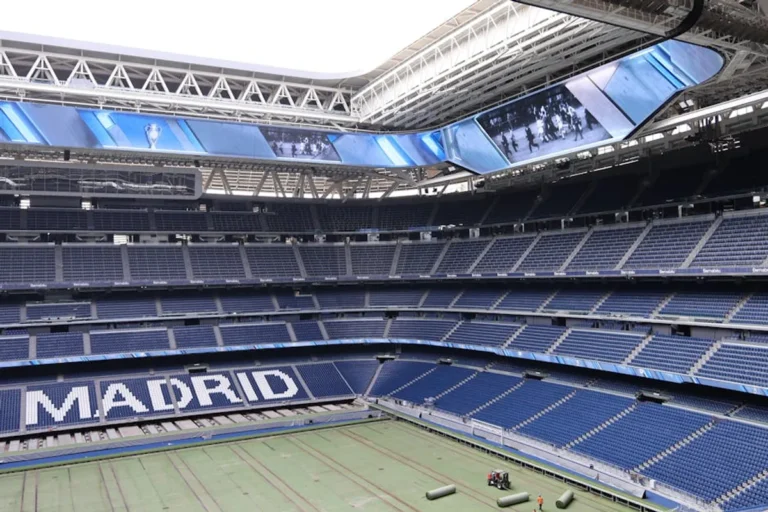

Sports transfer news represents a unique and commercially significant driver of search traffic, distinct from evergreen content or general sports reporting. For SEO professionals, marketers, and publishers, understanding its mechanics is critical for capturing high-volume, high-intent audiences. Unlike event-driven spikes that are often unpredictable, transfer windows offer cyclical, predictable opportunities for audience engagement and monetization, provided content strategies are aligned with specific user behaviors and technical requirements. Understanding these dynamics helps in anticipating the broader trends in sports news and audience behavior throughout the year.
The Cyclical Nature of Sports Transfer News
Transfer news operates within defined windows, typically twice a year in major leagues (e.g., summer and winter windows for football/soccer). These periods are characterized by intense speculation, official announcements, and fan discussion. The commercial value lies in the concentrated, high-volume search activity during these times. Users are actively seeking updates, confirmations, and analysis, creating a predictable surge in demand for specific information. This predictability allows for proactive content planning and resource allocation.
- Pre-window speculation: Early rumors, contract talks, player valuations, and potential targets.
- In-window activity: Live updates, confirmed deals, breaking news, medical reports, and loan moves.
- Post-window analysis: Review of club business, impact assessments, and future implications.
Understanding Search Intent During Transfer Windows
Search intent during transfer windows shifts rapidly, demanding agile content responses. Initial searches are often broad and informational, evolving into highly specific queries as news breaks. Identifying these shifts is key to targeting the right keywords and delivering relevant content.
Informational Intent: Users seeking general updates, "who is X club signing?", "latest transfer rumors." Content here includes news articles, live blogs, and dedicated transfer hubs.
Navigational Intent: Users looking for specific player or club pages to track updates, "Lionel Messi transfer news," "Manchester United transfers." Optimized player and club profile pages become crucial.
Commercial/Transactional Intent (Indirect): While direct transactions are rare, the underlying intent often leads to merchandise purchases, betting on future outcomes, or fantasy sports league participation. Content that links player moves to team performance or merchandise can indirectly serve this intent.
Strategic Content Approaches for Transfer Traffic
Capturing transfer news traffic requires a multi-faceted content strategy that prioritizes speed, accuracy, and structured presentation. Generic news reporting is often insufficient; specialized formats yield better results.
Live Transfer Blogs: These are essential during peak windows. They provide real-time updates, allowing publishers to capture breaking news queries immediately. Success hinges on constant updates, clear timestamps, and a mobile-friendly interface.
Dedicated Transfer Hubs: A central, evergreen page for all transfer news related to a specific league or club. This hub acts as a topical authority, accumulating internal links and providing a consistent destination for users. It should feature summaries, confirmed deals, and links to individual news stories.
Player and Club Profile Pages: These pages should be updated promptly with new transfer information. Including structured data for players and teams (e.g., Schema.org's Person and SportsTeam) enhances visibility in rich results.
Opinion and Analysis Pieces: While speed is paramount for breaking news, analytical content provides depth and retains users longer. Articles discussing the financial implications, tactical impact, or long-term strategy of transfers can capture more considered search queries.
Pro Tip: Implement a robust content decay strategy. After a transfer window closes, highly time-sensitive articles (e.g., "Live Transfer Blog - January 31st") should be archived or redirected to evergreen transfer hubs to preserve link equity and avoid serving outdated content to new searches. Maintain evergreen player/club profiles with historical transfer data.
Technical Foundations for High-Volume News
The technical infrastructure supporting transfer news content must be optimized for speed, crawlability, and mobile experience. High content velocity demands specific considerations.
Site Speed and Core Web Vitals: Pages must load quickly, especially on mobile devices, given that a significant portion of users consume transfer news on the go. Optimizing images, leveraging CDNs, and minimizing render-blocking resources are non-negotiable.
Structured Data Markup: Implementing NewsArticle schema is crucial for eligibility in Google News, Top Stories carousels, and other rich results. Additionally, Person and SportsTeam schema can enhance entity recognition.
Crawl Budget Management: With potentially hundreds of new articles and updates during a window, efficient crawl budget allocation is vital. XML sitemaps should be kept up-to-date, and unnecessary pages should be blocked via robots.txt or noindex tags.
Mobile-First Design: As the majority of sports fans access news via smartphones, a responsive, mobile-first design is paramount. This includes touch-friendly navigation, readable fonts, and optimized ad placements that do not obstruct content.
Monetizing the Transfer Buzz
The high-volume, engaged audience drawn by transfer news presents significant monetization opportunities.
Display Advertising: Programmatic advertising thrives on high traffic volumes. During transfer windows, CPMs (cost per mille) can increase due to heightened advertiser demand for sports audiences.
Affiliate Marketing: Linking to merchandise (new club jerseys), betting sites (odds on next club), or fantasy sports platforms can generate affiliate revenue. This requires careful integration to maintain user trust.
Premium Content/Subscriptions: Exclusive insights, in-depth analysis, or early access to rumors (if verifiable) can be offered as premium content, converting engaged users into subscribers.
Maximizing Transfer Window Impact
To fully leverage transfer news for search traffic, continuous optimization and strategic planning are essential. This involves not only reactive publishing but also proactive content development and technical refinement.
Regularly analyze search query data to identify emerging trends and specific player/club interest. Monitor competitor strategies for content formats and distribution. Invest in journalistic resources capable of verifying information quickly, as accuracy builds trust and authority, which are critical for long-term SEO success. After each window, conduct a post-mortem analysis to refine processes, content types, and technical configurations for the next cycle.
Frequently Asked Questions
How often do transfer windows occur?
Major sports leagues typically have two main transfer windows per year: a longer summer window (e.g., June-August for European football) and a shorter winter/mid-season window (e.g., January).
What type of content performs best for transfer news?
Live blogs for breaking news, dedicated transfer hubs for comprehensive updates, and individual player/club profile pages updated with confirmed moves generally perform best due to their immediate relevance and high search demand.
Is accuracy more important than speed for transfer news?
While speed is crucial for capturing initial search volume, accuracy is paramount for maintaining long-term audience trust and authority. Prioritize verifying information before publishing, even if it means being slightly slower than competitors who publish unverified rumors.
How can I prepare my site for a transfer window?
Pre-plan content calendars, optimize existing player/club pages, ensure your site's technical infrastructure (speed, mobile-friendliness, structured data) is robust, and have a clear strategy for managing content decay post-window.