Entering the football merchandise niche presents a significant opportunity for content creators and marketers. The global football market is vast, driven by passionate fan bases and a continuous cycle of seasons, tournaments, and player movements. For SEO professionals, agencies, and site owners, understanding how to effectively cover this segment means tapping into a highly engaged audience with clear commercial intent. This isn't just about reviewing jerseys; it's about strategizing content that captures diverse search queries, from historical memorabilia to the latest fan gear, and converting that interest into tangible value.
Deconstructing the Football Merchandise Landscape
Effective content begins with a granular understanding of the product categories and the motivations behind consumer purchases. Football merchandise is not monolithic; it spans several distinct segments, each requiring a tailored content approach.
Key Merchandise Categories
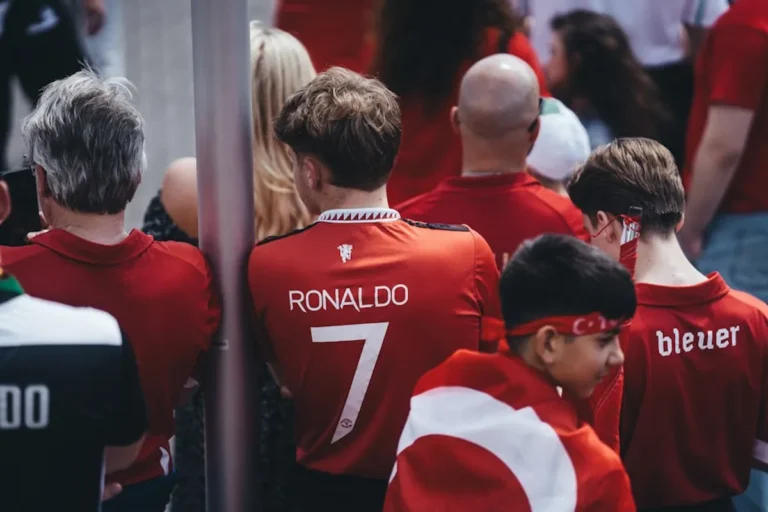
- Official Team Jerseys and Kits: These are core products, driven by new season releases, player transfers, and special editions. Content should focus on authenticity, material quality, sizing guides, and historical significance.
- Fan Apparel and Accessories: Includes t-shirts, hoodies, scarves, hats, and other items that allow fans to express allegiance. This category benefits from lifestyle content, gift guides, and seasonal recommendations.
- Collectibles and Memorabilia: Signed items, match-worn gear, vintage programs, and limited-edition releases appeal to a dedicated collector base. Content here requires deep historical context, authentication details, and investment potential discussions.
- Home and Office Decor: Items like team-branded mugs, flags, posters, and bedding. This segment is often tied to gift-giving occasions or personalizing living spaces.
- Training Gear and Equipment: While not strictly "fan merch," items like replica balls or branded training apparel can be relevant, focusing on utility, durability, and brand association.
Understanding Fan Intent and Seasonal Cycles
The purchase intent for football merchandise is highly variable. Some fans seek the latest kit immediately upon release, while others search for gifts during holidays or sentimental items after a championship win. Content must align with these temporal and emotional drivers.
Seasonal Content Planning:
- Pre-Season/New Season Launch: Focus on new kit reveals, player transfers impacting jersey sales, and season previews.
- In-Season: Game-day essentials, fan experience items, and merchandise related to specific player achievements or rivalries.
- Post-Season/Off-Season: Championship celebration gear, historical retrospectives, and anticipation for the next season's releases.
- Holidays/Gift-Giving: Comprehensive gift guides segmented by recipient (e.g., "Gifts for the Die-Hard Fan," "Stocking Stuffers for Young Supporters").
Developing a Strategic Content Framework
Building authority and driving commercial actions requires a structured content approach that addresses various stages of the buyer journey.
Keyword Research and Intent Mapping
Begin by identifying keywords that reflect commercial intent. This includes specific product names ("[team name] 2024 home jersey"), broader categories ("best football scarves"), and problem-solving queries ("where to buy authentic [player name] shirt"). Long-tail keywords are crucial for capturing highly specific, lower-volume but high-conversion searches.
Example Keyword Clusters:
- Informational: "history of [team] kits," "how to clean football jerseys," "difference between replica and authentic jerseys."
- Commercial Investigation: "best [team] fan gear," "reviews of [brand] football merchandise," "compare [jersey A] vs [jersey B]."
- Transactional: "buy [player name] jersey," "[team] official store," "discount football merchandise."
Content Formats for Maximum Impact
Varying content types keeps engagement high and addresses diverse search intents.
- Product Reviews and Comparisons: Detailed breakdowns of specific items, focusing on material, fit, authenticity, and value. Incorporate user-generated content and expert opinions.
- Gift Guides: Curated lists for specific occasions or demographics, often featuring a range of price points and product types.
- Historical Deep Dives: Articles exploring the evolution of team kits, iconic player merchandise, or significant memorabilia. These build authority and attract evergreen traffic.
- News and Release Announcements: Timely posts about new product drops, limited editions, or collaborations. Speed is critical for capturing early interest.
- How-To Guides: Instructions on caring for merchandise, displaying collectibles, or identifying fakes.
Pro Tip: Implement schema markup for products, reviews, and offers. This enhances visibility in search results with rich snippets, providing critical information like price, availability, and star ratings directly on the SERP, which can significantly improve click-through rates for commercial queries.
Monetization and Performance Tracking
For content focused on football merchandise, monetization typically involves affiliate marketing, direct advertising, or a hybrid model.
Affiliate Partnerships
Partner with major sports retailers, official team stores, and reputable memorabilia dealers. Focus on programs with competitive commission rates and a wide product selection. Ensure your content naturally integrates affiliate links without compromising user experience or trust. Transparency about affiliate relationships is essential for maintaining credibility.
Key Considerations:
- Link Placement: Strategically place links within product descriptions, comparison tables, and call-to-action buttons.
- Cookie Duration: Understand the cookie window of your affiliate partners; longer durations offer better conversion potential.
- Conversion Tracking: Implement robust analytics to track clicks, conversions, and revenue generated from affiliate links.
Measuring Success
Beyond standard traffic metrics, focus on commercial performance indicators. Track conversion rates from product-focused pages, average order value driven by affiliate links, and revenue per visitor. Monitor keyword rankings for high-intent terms and analyze which content types consistently drive the most sales or leads.
Sustaining Authority and Engagement
The football merchandise niche is dynamic. Sustained success requires ongoing effort in content refinement and community interaction.
Content Refresh and Updates
Regularly update existing content, especially product reviews and gift guides, to reflect new releases, price changes, or stock availability. Evergreen content like historical pieces can also benefit from new insights or updated visuals. This signals to search engines that your content is current and relevant.
Building a Loyal Audience
Foster community engagement through comments, social media, and newsletters. Encourage users to share their own merchandise collections, review experiences, or express opinions on new releases. A passionate community not only drives repeat traffic but also provides valuable content ideas and social proof.
Your Next Steps for Covering Football Merch
To establish a strong presence in the football merchandise content space, prioritize audience understanding and strategic execution. Begin by segmenting your target audience and mapping their seasonal purchase intent. Conduct thorough keyword research to identify both informational and high-commercial-intent queries. Develop a diverse content calendar that includes product reviews, gift guides, and historical narratives, ensuring each piece is optimized with relevant schema. Finally, implement a clear monetization strategy, primarily through affiliate partnerships, and meticulously track performance to refine your approach. Consistent, high-quality content that genuinely helps fans make informed purchasing decisions will build authority and drive long-term commercial success.
Frequently Asked Questions
What types of football merchandise are most popular for content?
Official team jerseys and kits, fan apparel (t-shirts, hoodies), and collectibles (signed items, vintage memorabilia) consistently rank as the most popular categories due to high fan demand and strong emotional connections.
How often should I update content about football merchandise?
Product-specific content like reviews and gift guides should be updated at least annually, or whenever new seasons launch, product lines change, or significant price adjustments occur. Evergreen historical content can be refreshed less frequently, perhaps every 1-2 years, with new details or visual enhancements.
What is the best way to monetize football merchandise content?
Affiliate marketing through partnerships with major sports retailers and official team stores is the most common and effective monetization strategy. Integrating direct advertising or sponsored content can also supplement revenue, provided it aligns with user experience.
How can I ensure my merchandise content ranks well in search engines?
Focus on comprehensive keyword research, creating high-quality, detailed content that addresses user intent, implementing product and review schema markup, ensuring mobile-friendliness, and building a strong internal linking structure. Timely content for new releases also helps capture trending search volume.