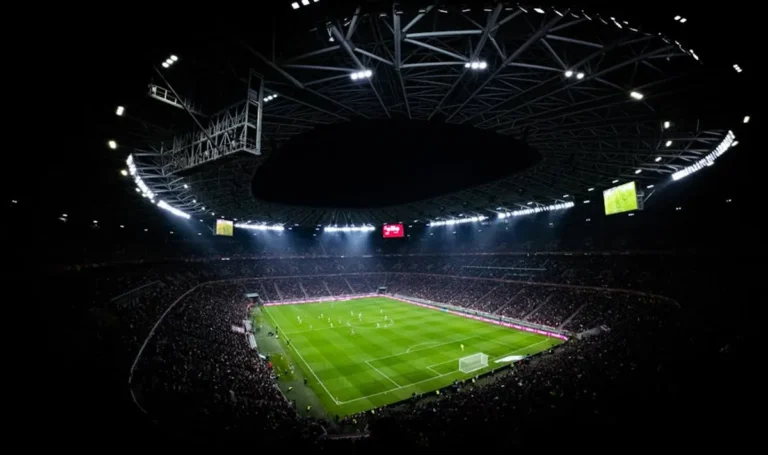

Organizing a football event, regardless of scale, involves a complex interplay of logistics, marketing, and operational execution. Without a structured approach, critical details can be overlooked, impacting everything from attendee experience to financial viability and post-event data capture. A comprehensive checklist serves as a foundational tool, ensuring every phase—from initial concept to post-event analysis—is methodically addressed. This systematic framework minimizes risk, optimizes resource allocation, and ultimately supports the commercial objectives of the event, whether those are ticket sales, brand exposure, or community engagement.
Initial Planning & Foundation
The success of any football event begins long before tickets go on sale or the first whistle blows. Establishing a clear framework in the early stages provides direction and prevents costly missteps later.
Defining Event Scope and Objectives
Before any booking or budgeting, clarify the event's core purpose and target audience. Is it a youth tournament, a charity match, a professional exhibition, or a fan viewing party? Each type dictates different requirements. Define specific, measurable, achievable, relevant, and time-bound (SMART) objectives. For example, aiming for "2,500 ticket sales," "10,000 unique website visitors to the event page," or "securing three local business sponsorships" provides concrete targets for all subsequent planning. This clarity informs venue selection, marketing strategy, and staffing needs, ensuring all efforts align with a defined outcome.
Budgeting and Resource Allocation
A detailed budget is non-negotiable. Itemize every anticipated expense, including venue rental, permits, security, medical staff, equipment, marketing, talent fees (if applicable), insurance, and contingency funds (typically 10-15% of the total budget). Allocate human resources by identifying key roles—event manager, marketing lead, operations coordinator, volunteer manager—and assigning responsibilities. Understanding financial constraints and available personnel from the outset dictates the event's feasible scale and ambition, preventing overextension or under-resourcing.
Pre-Event Marketing & Outreach
Effective promotion is crucial for attendance and engagement. This phase focuses on generating interest and converting that interest into participation.
Audience Identification and Messaging
Pinpoint your primary and secondary target audiences. Are you aiming for local families, dedicated football enthusiasts, corporate sponsors, or a national fan base? Develop tailored messaging that resonates with each segment. For instance, families might respond to themes of community and entertainment, while enthusiasts seek high-level competition and player access. Craft compelling narratives that highlight the unique aspects of your event, using language that speaks directly to their interests and motivations. This precision ensures marketing spend is directed efficiently.
Channel Selection and Content Strategy
Choose marketing channels based on where your target audience consumes information. This could include digital advertising (search, social media, display), email marketing, local print media, radio, partnerships with fan groups, or influencer collaborations. Develop a content calendar outlining what will be published, where, and when. Content should include event details, player profiles, venue highlights, behind-the-scenes glimpses, and calls to action for ticket purchases or registration. Regular, consistent content keeps the event top-of-mind and builds anticipation.
- Website/Landing Page: Central hub for all event information, ticketing, FAQs.
- Social Media: Real-time updates, interactive content, community building.
- Email Marketing: Direct communication, exclusive offers, reminders.
- Paid Advertising: Targeted reach to specific demographics.
- Press Releases: Official announcements for media coverage.
- Local Partnerships: Cross-promotion with relevant businesses or organizations.
Ticketing and Registration Logistics
Implement a clear, user-friendly system for ticket sales or participant registration. This involves selecting a reliable platform, setting pricing tiers (early bird, VIP, general admission), and defining refund policies. Ensure all necessary information is collected during registration, such as contact details, dietary restrictions (for participants), or emergency contacts. A smooth registration process reduces friction for attendees and provides valuable data for post-event analysis and future marketing efforts.
Pro Tip: Implement a robust contingency plan for every critical aspect of your event. This includes alternative venues, backup power sources, emergency medical protocols, and communication strategies for unexpected weather or technical failures. A well-defined plan minimizes panic and allows for swift, organized responses to unforeseen challenges, protecting your event's reputation and financial investment.
Operational Execution: The Event Day
The day of the event requires meticulous coordination to ensure a seamless experience for attendees and participants.
Venue Management and Setup
Oversee the physical transformation of the venue according to the event layout. This includes seating arrangements, signage (directional, informational, sponsor branding), concession stand setup, merchandise areas, and designated zones for VIPs, media, or participants. Confirm all necessary utilities—power, water, internet—are functional. A well-organized venue enhances the attendee experience, facilitates smooth crowd flow, and ensures sponsor visibility.
Staffing, Security, and Safety Protocols
Deploy trained staff and volunteers to their assigned roles, ensuring they understand their responsibilities, emergency procedures, and communication channels. Security personnel should be briefed on crowd control, access points, and potential risks. Establish clear safety protocols, including first aid stations, emergency exits, and a communication system for coordinating responses to incidents. Prioritizing safety builds trust with attendees and mitigates liability.
Fan Experience and Engagement Points
Beyond the match itself, consider elements that enhance the overall fan experience. This might include interactive zones, photo opportunities, merchandise booths, food and beverage options, or half-time entertainment. For marketers, these points offer opportunities for brand activation, data collection, and direct engagement with the target audience, extending the event's commercial value beyond ticket revenue.
Content Capture & Post-Event Amplification
The event doesn't end when the final whistle blows. Capturing and leveraging content extends its reach and value.
Media Planning and Asset Collection
Arrange for professional photography and videography to document key moments, fan reactions, and sponsor activations. Establish a system for collecting user-generated content by encouraging attendees to use specific hashtags. Plan for interviews with players, coaches, or organizers. These assets are invaluable for post-event marketing, press coverage, and creating evergreen content that supports future events. Ensure proper rights and permissions are secured for all captured media.
Audience Retargeting and Feedback Loops
Utilize data collected during registration and event attendance to retarget attendees with post-event surveys, thank-you messages, and promotions for future events. Implement feedback mechanisms, such as online surveys or comment cards, to gather insights on what worked well and areas for improvement. This data is critical for refining future event strategies and building a loyal audience base.
Measuring Success and Future Planning
After the event, a thorough review is essential to understand performance against objectives and inform future endeavors.
Conduct a comprehensive post-event analysis comparing actual outcomes against the SMART objectives set during the initial planning phase. This includes reviewing ticket sales figures, website traffic, social media engagement metrics, media coverage, and sponsor satisfaction. Analyze financial reports to understand profitability and identify areas for cost optimization. Gather feedback from staff, volunteers, and key stakeholders to identify operational efficiencies and areas needing improvement. This data-driven review provides actionable insights for refining processes, enhancing attendee experience, and maximizing the commercial impact of subsequent events.
Frequently Asked Questions
What is the most critical element of a football event checklist?
The most critical element is establishing clear, measurable objectives at the outset. Without defined goals, it's impossible to effectively plan resources, measure success, or justify the commercial investment.
How far in advance should I start planning a football event?
For large-scale events, planning should ideally begin 12-18 months in advance to secure venues, obtain permits, attract sponsors, and execute a comprehensive marketing campaign. Smaller events may require 3-6 months.
What role does technology play in event planning?
Technology streamlines ticketing, registration, communication, and real-time event management. Platforms for online sales, email marketing, social media scheduling, and event apps enhance efficiency and attendee experience while providing valuable data analytics.
How can I ensure sponsor satisfaction for my event?
Ensure sponsor satisfaction by clearly outlining deliverables in contracts, providing prominent brand visibility (signage, digital mentions), offering exclusive engagement opportunities, and delivering a post-event report detailing their ROI through metrics like impressions, mentions, and lead generation.