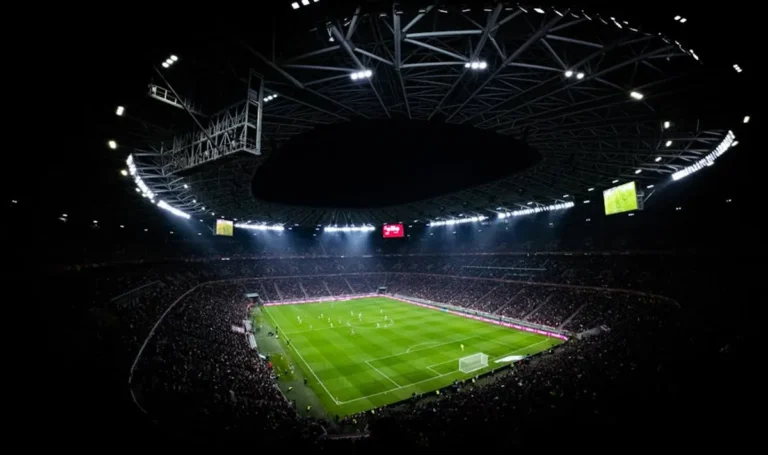
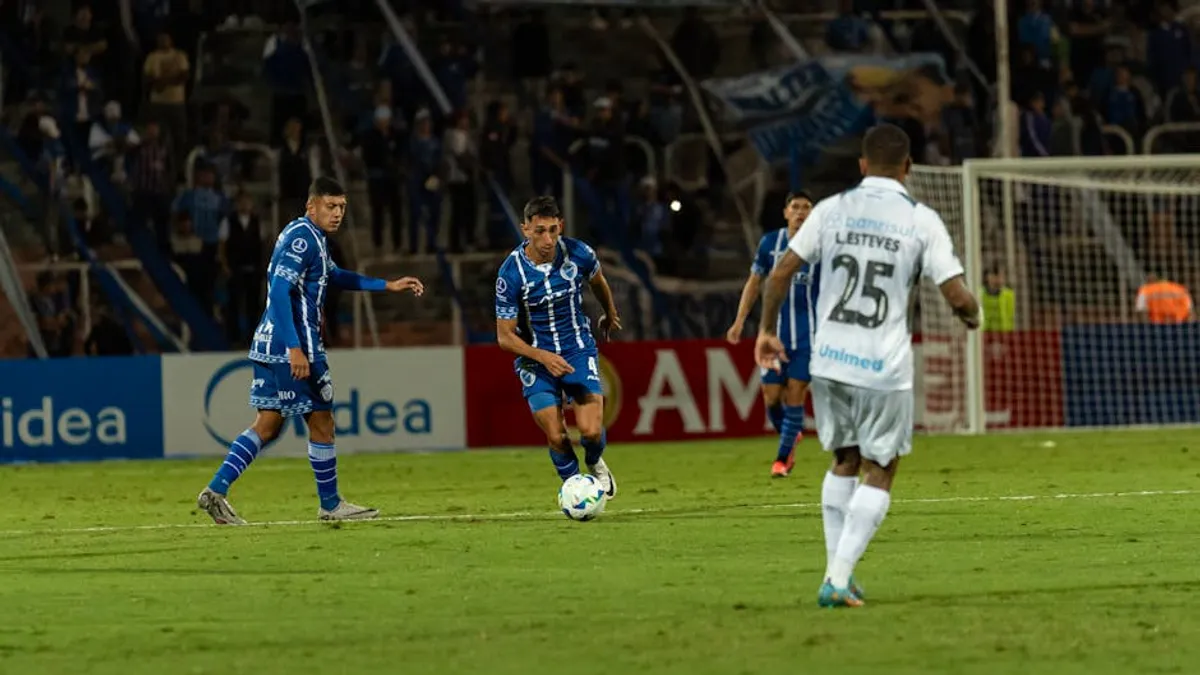
The Football World Series, understood as a conceptual major global football championship, represents a significant inflection point for content strategists, publishers, and marketers. These large-scale events generate immense, concentrated audience interest over a defined period, creating predictable spikes in search demand and engagement. For those aiming to capture this attention and convert it into measurable value, a structured approach is essential. This guide details how to dissect the commercial and content opportunities inherent in such a global spectacle, focusing on audience intent, strategic content development, and effective monetization pathways to ensure maximum impact.
Deconstructing Audience Intent Around a Global Championship
Understanding what users are searching for, and at what stage of the event cycle, is fundamental to effective content creation. The Football World Series draws a diverse global audience, each segment driven by distinct informational or commercial needs. Categorizing intent allows for precise content targeting.
- Informational Intent: This segment seeks facts, schedules, team news, player profiles, historical data, and rule explanations. Queries are often broad initially ("Football World Series dates") and become more specific as the event approaches and progresses ("who is playing in the final," "top scorer Football World Series").
- Navigational Intent: Users looking for specific official sources, streaming platforms, or ticket sales. While less directly addressable by editorial content, understanding these pathways helps in directing users appropriately or identifying partnership opportunities.
- Commercial Intent: This audience is ready to purchase. Queries include merchandise, travel packages, betting odds, or premium content subscriptions related to the event. This intent often accompanies informational searches, indicating a user doing research before a purchase.
- Transactional Intent: Direct purchase actions. "Buy Football World Series jersey," "book flights for final match." This is the ultimate goal of many commercial intent journeys.
Mapping content to these intent types across the pre-event, live, and post-event phases ensures that valuable traffic is not missed and that user journeys are optimized towards conversion or deeper engagement.
Strategic Content Planning for the Football World Series
A successful content strategy for a major global championship requires foresight and agility. Content must be planned in phases, anticipating shifts in audience focus and evolving narratives.
Pre-Event Content: Building Anticipation and Authority
The period leading up to the Football World Series is critical for establishing authority and capturing early search demand. This phase is characterized by high informational intent as fans seek context and predictions.
Content Types:
- Evergreen Resources: Team histories, player bios, venue guides, format explanations. These assets build long-term SEO value.
- Anticipatory Pieces: "Top 10 Players to Watch," "Dark Horse Teams," "Prediction Series," "Group Stage Analysis." These tap into speculative interest.
- Practical Guides: "How to Watch the Football World Series," "Travel Guide for Host Cities," "Fantasy Football World Series Tips." These address logistical and engagement needs.
Best for: Long-form articles, data visualizations, interactive maps, and video explainers. Focus on comprehensive coverage that answers common questions before they become urgent.
Live Event Coverage: Real-Time Engagement and Analysis
During the Football World Series, content must be immediate, accurate, and analytical. Search volume peaks, often for specific match results, live updates, and immediate reactions.
Content Types:
- Live Blogs & Updates: Minute-by-minute match reports, breaking news, injury updates.
- Match Recaps & Analysis: Post-game summaries, tactical breakdowns, player ratings. These are highly shareable and drive repeat visits.
- Opinion & Commentary: Editorials, pundit reactions, fan sentiment analysis. These foster community and discussion.
- Data-Driven Insights: Statistical analyses of team performance, individual player metrics, historical comparisons as the tournament unfolds.
Best for: Short-form news updates, video highlights, infographics, and interactive data dashboards. Speed and accuracy are paramount.
Post-Event Analysis: Sustaining Engagement and Legacy
Even after the final whistle, interest in the Football World Series persists. This phase offers opportunities for reflective content that synthesizes outcomes and looks ahead.
Content Types:
- Tournament Review: "Best Goals," "Biggest Upsets," "Team of the Tournament."
- Impact Analysis: "How the Football World Series Changed the Game," "Economic Impact on Host Nation."
- Future Outlook: "Next Generation of Stars," "Looking Ahead to the Next Football World Series."
- Archival Content: Curating and repackaging the best content from the event for long-term discovery.
Best for: Long-form retrospective pieces, documentary-style videos, and curated collections. These pieces can become evergreen resources for historical context.
Pro Tip: Implement schema markup (e.g., Article, Event, VideoObject) consistently across all Football World Series content. This enhances visibility in search results by providing structured data that helps search engines understand your content's context and relevance, potentially leading to rich snippets and improved click-through rates.
Monetization Pathways for Global Championship Content
Leveraging the high traffic and engagement generated by the Football World Series requires a clear monetization strategy, tailored to the content type and audience intent.
- Advertising: Display ads, native advertising, and sponsored content are standard for high-volume informational pages. Programmatic advertising can be highly effective during peak traffic.
- Affiliate Marketing: Integrate affiliate links for merchandise, betting sites (where legally permissible), travel bookings, and streaming service subscriptions. This works best with commercial intent content.
- Premium Content & Subscriptions: Offer exclusive in-depth analysis, behind-the-scenes access, or advanced statistical models behind a paywall. This appeals to highly engaged, dedicated fans.
- E-commerce: Direct sales of branded merchandise, commemorative items, or exclusive digital products related to the event.
- Partnerships & Sponsorships: Collaborate with brands relevant to the event (e.g., sports equipment, beverage companies, travel agencies) for sponsored sections, video series, or co-branded campaigns.
The key is to integrate monetization naturally, ensuring it enhances, rather than detracts from, the user experience. For instance, an affiliate link for a team jersey is appropriate within a player profile, while an intrusive pop-up ad is not.
Optimizing Your Football World Series Content Strategy
A successful Football World Series content strategy is not static; it evolves with the tournament. Regular performance analysis and content optimization are crucial.
Monitor search trends daily, identify emerging narratives, and adjust your content calendar accordingly. Pay attention to how specific players or teams are performing, as their popularity can drive unexpected search spikes. Leverage internal linking to guide users through related content, increasing time on site and exposure to monetization points. Ensure all content is mobile-friendly, given the high likelihood of users accessing information on the go. By maintaining agility and a data-driven approach, your content can effectively capture and retain the attention of a global audience throughout the entire Football World Series cycle.
Frequently Asked Questions About Global Championship Content
How far in advance should I start planning content for a major football championship?
Begin content planning at least 6-12 months before the event. This allows ample time for in-depth research, evergreen content creation, and establishing early SEO authority before the competitive rush.
What content formats perform best during the live phase of the Football World Series?
During the live phase, short-form, real-time updates like live blogs, quick match recaps, video highlights, and social media commentary tend to perform exceptionally well due to immediate audience interest and rapid information consumption patterns.
Is it possible to monetize content even without direct ticket or merchandise sales?
Yes, significant monetization is possible through advertising (display, native, programmatic), affiliate marketing for related products (e.g., sports betting, streaming services), and sponsorships with relevant brands seeking exposure to the highly engaged audience.
How can I maintain audience engagement after the Football World Series concludes?
Post-event engagement can be sustained through retrospective analysis, "best of" compilations, impact assessments, and forward-looking content discussing future tournaments or emerging talent. Curating evergreen resources from the event also helps retain long-term value.