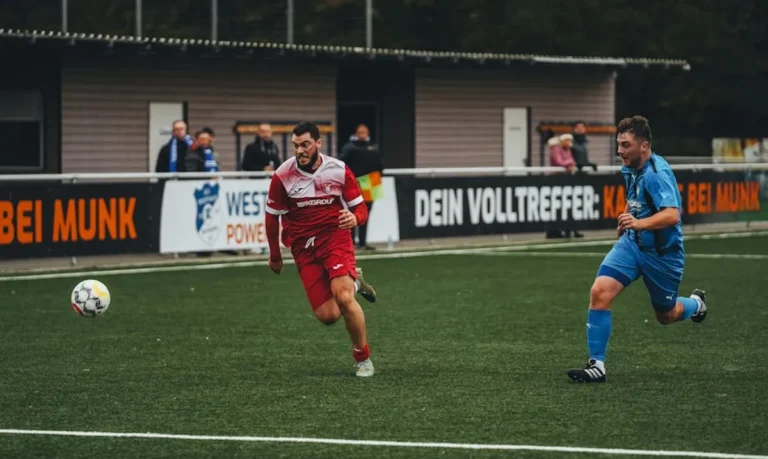
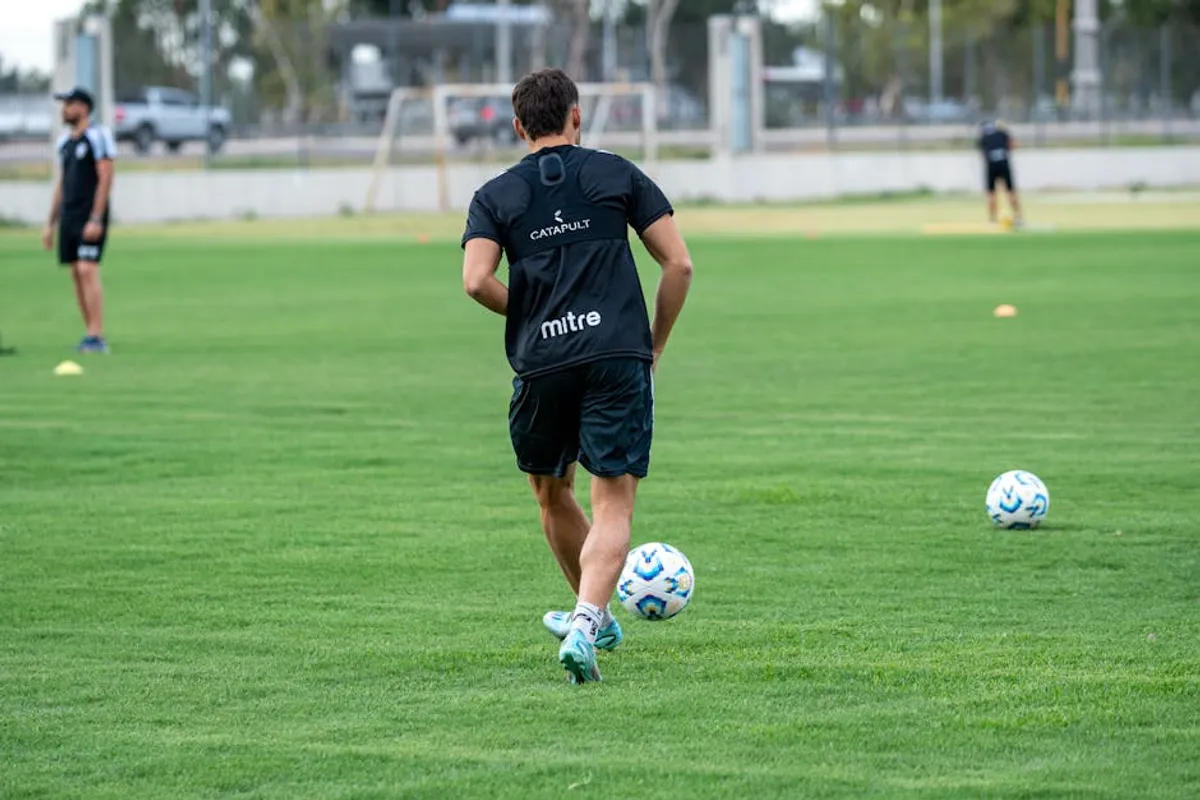
Developing young football players requires a thoughtful approach, balancing skill acquisition with fostering a genuine love for the game. For parents and coaches, the objective extends beyond immediate match results; it centers on building foundational abilities, promoting physical literacy, and cultivating mental resilience. Effective training for this age group prioritizes long-term development over short-term gains, ensuring players remain engaged and progress safely through the sport's various stages. This involves breaking down complex techniques into manageable steps, creating an environment conducive to learning through play, and understanding the specific physical and psychological needs of growing athletes.
Establishing Core Technical Skills
The bedrock of any successful football player lies in their technical proficiency. For young athletes, consistent repetition of fundamental movements, executed correctly, is more valuable than complex tactical drills. Focus on individual ball mastery, which empowers players to feel comfortable and confident with the ball at their feet.
Ball Control and Dribbling Fundamentals
Teaching precise ball control involves encouraging players to use all surfaces of their feet—inside, outside, sole, and laces—to manipulate the ball. Dribbling drills should emphasize keeping the ball close, typically within arm's reach, allowing for quick changes in direction and pace. Varying dribbling exercises through cones, around obstacles, or in small grids helps develop agility and spatial awareness simultaneously. Encourage players to lift their heads periodically to survey their surroundings, integrating decision-making into the dribbling process.
- Inside-of-foot dribbling: For close control and direction changes.
- Outside-of-foot dribbling: For accelerating into space and protecting the ball.
- Sole rolls: For quick directional shifts and pulling the ball back.
- Laces push: For driving the ball forward with speed.
Passing Accuracy and Weight
Accurate passing is crucial for team play. Young players should learn to strike the ball with the inside of their foot for precision, aiming for a target player's preferred foot. Emphasize the "weight" of the pass—the appropriate force needed to reach the receiver without being too soft or too hard. Drills involving passing against a wall, to a stationary partner, or through small gates help refine this skill. Introduce the concept of "give and go" early to demonstrate the practical application of passing in dynamic situations.
Shooting Technique and Placement
For shooting, focus initially on proper body mechanics rather than sheer power. Players should learn to strike the ball with their laces, keeping their head down at the point of contact and following through towards the target. The emphasis should be on placement—aiming for corners of the goal—rather than just hitting the ball as hard as possible. Small-sided games naturally create more shooting opportunities, allowing players to practice in game-like scenarios without excessive pressure.
Age-Appropriate Physical Development
Physical training for young players must align with their developmental stage. High-intensity, adult-style conditioning is not only ineffective but can also be detrimental. The goal is to build a general athletic foundation that supports football-specific movements.
Agility, Speed, and Coordination
Incorporate drills that improve agility, such as cone weaving, ladder drills, and short shuttle runs. These activities enhance quick changes of direction, acceleration, and deceleration, all vital components of football. Coordination can be developed through simple exercises like skipping, hopping, and jumping, often integrated with a ball to make them football-specific. Keep these sessions brief and dynamic to maintain engagement.
Endurance Through Play
Instead of long-distance running, build endurance through continuous, small-sided games (e.g., 3v3 or 4v4). The stop-and-start nature of these games mimics actual match demands, developing both anaerobic and aerobic capacity naturally. This approach keeps training fun and prevents burnout associated with repetitive, monotonous conditioning.
Fostering Tactical Awareness and Game Intelligence
While complex tactics are beyond young players, introducing basic concepts of spatial awareness and decision-making is beneficial. This helps them understand the flow of the game and their role within a team structure.
Understanding Space and Positioning
Teach players to recognize open space and how to move into it, both with and without the ball. Simple concepts like "spreading out" when attacking and "getting compact" when defending can be introduced. Use visual cues and simple language during drills to reinforce these ideas. For instance, in a small-sided game, point out when a player could have moved to an open channel to receive a pass.
Communication and Teamwork
Encourage verbal communication on the field—calling for the ball, indicating open players, or signaling defensive pressure. Simple phrases like "man on," "time," or "through" can be practiced. Teamwork is best developed through collaborative drills and small-sided games where players must work together to achieve an objective, such as maintaining possession or scoring.
Pro Tip: Always prioritize enjoyment and intrinsic motivation for young players. Over-coaching or excessive pressure to win can stifle creativity and lead to early burnout. Focus on creating a positive, supportive environment where mistakes are seen as learning opportunities, and effort is celebrated as much as success.
Integrating Mental Resilience and Enjoyment
Football is as much a mental game as it is physical and technical. Helping young players develop mental toughness and maintain their passion for the sport is paramount.
Focus and Concentration
Short, focused training sessions are more effective for young attention spans. Use clear instructions and demonstrate drills effectively. Incorporate mini-challenges or problem-solving scenarios within drills to keep players mentally engaged and thinking proactively on the field.
Bouncing Back from Mistakes
Teach players that mistakes are an inevitable part of learning and playing. Encourage them to quickly move on from errors, focusing on the next action. Positive reinforcement from coaches and parents plays a significant role in building confidence and resilience. Avoid dwelling on individual errors; instead, discuss collective improvements.
Practical Application and Consistent Practice
Regular, structured practice is essential for skill retention and improvement. However, "structured" doesn't mean rigid; it means intentional.
Best for: Developing all-around skills in a fun, competitive environment.
Small-sided games are arguably the most effective training tool for young players. They offer more touches on the ball, frequent decision-making opportunities, and a constant rotation of attacking and defending scenarios. These games naturally develop technical skills, tactical awareness, and physical conditioning in an engaging format. Ensure teams are balanced to promote competitive yet fair play.
Sustaining Development
Successful football development for young players is a marathon, not a sprint. It demands patience, consistent effort, and a balanced perspective from coaches and parents alike. By focusing on fundamental skills, age-appropriate physical conditioning, basic tactical understanding, and fostering a positive mental approach, young athletes can build a robust foundation for long-term enjoyment and success in the sport. Remember that every player develops at their own pace; celebrating individual progress and effort is key to keeping them engaged and passionate about football.
Frequently Asked Questions
How often should young players train?
For most young players (under 12), 2-3 sessions per week, including matches, is generally sufficient. The focus should be on quality and engagement over sheer quantity, allowing for rest and participation in other activities.
What is the most important skill for a young player to learn?
Ball control and first touch are arguably the most critical. A player comfortable with the ball at their feet can then execute passes, dribbles, and shots more effectively, and make better decisions under pressure.
Should young players specialize in one position?
No, early specialization is generally discouraged. Young players should experience playing various positions to develop a broader understanding of the game, enhance different skill sets, and discover where they naturally excel.
How can parents best support their young football player?
Parents should provide encouragement, focus on effort and sportsmanship over results, ensure proper nutrition and rest, and allow coaches to lead the technical and tactical instruction. Creating a positive, pressure-free environment is paramount.