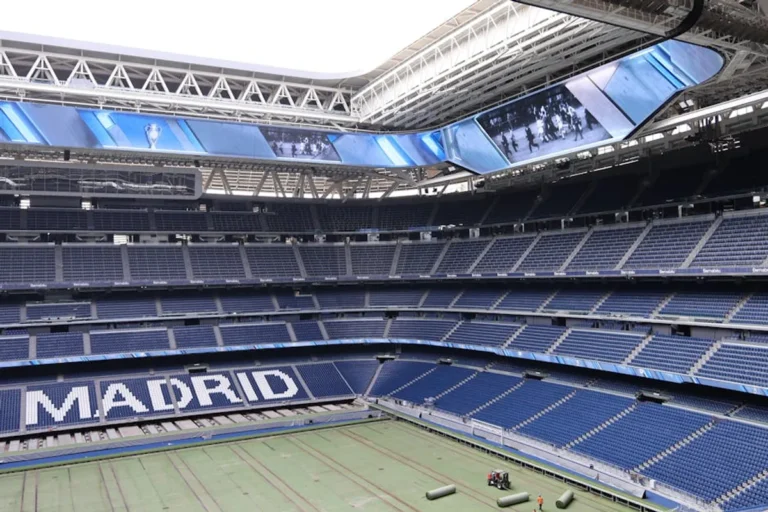

The 2026 football calendar presents a significant opportunity for publishers, marketers, and content creators. With the FIFA World Cup hosted across North America, the event will generate unparalleled global interest, driving massive search volume and engagement. Strategic content planning now is critical to capture this audience. This period demands a shift from reactive reporting to proactive, evergreen content development that anticipates fan interest, provides unique value, and positions your platform as an authoritative resource. The goal is not merely to cover the tournament, but to establish long-term audience loyalty and capitalize on sustained interest in the sport.
What to Look For in 2026 Football Content Ideas
When developing content for the 2026 football cycle, prioritize ideas that offer longevity, distinct value, and clear commercial pathways. Focus on themes that resonate beyond immediate match results, tapping into historical context, analytical depth, cultural impact, or practical fan utility. Consider content formats that allow for multimedia integration, such as data visualizations, interactive tools, or video series, to enhance engagement. Evaluate each idea for its SEO potential, assessing keyword opportunities, topical authority building, and long-term search relevance. Finally, ensure the content aligns with your audience's specific interests, whether they are casual fans, tactical analysts, fantasy players, or travelers planning to attend the event. Beyond current events, explore historical context and rivalries that continue to shape fan passion and discussion.
1. Tactical Deep Dives
This content stream focuses on the intricate strategic elements of football, particularly as they apply to national teams competing in the 2026 World Cup. It involves analyzing team formations, player roles within specific systems, and the coaching philosophies that underpin their approach. Content can include pre-tournament scouting reports on key opponents, in-depth breakdowns of tactical shifts during matches, and post-match analyses of how strategies succeeded or failed. This requires a strong understanding of modern football tactics and the ability to articulate complex concepts clearly.
Best for: Niche tactical analysis sites, coaching resources, serious football blogs targeting highly engaged, knowledgeable fans.
Pros: Attracts a dedicated, loyal audience; establishes strong topical authority; lends itself well to video and diagrammatic content; evergreen potential for future reference.
Cons: Requires deep football knowledge and analytical skill; time-intensive research and production; potentially smaller audience reach compared to general news.
Verdict: Positions a platform as a go-to source for advanced football insight, cultivating an engaged readership willing to spend significant time on page.
2. Player Performance Analytics & Projections
This idea centers on leveraging data to provide insights into individual player performance and project their impact on the 2026 tournament. Content can include statistical comparisons, expected goals (xG) analysis, heatmaps, passing networks, and advanced metrics to evaluate player form, fitness, and tactical suitability. Pre-tournament content can focus on identifying breakout stars or underrated talents, while in-tournament pieces can analyze specific player contributions and their influence on match outcomes. This requires access to reliable data sources and the ability to interpret complex statistical models.
Best for: Data journalism platforms, fantasy football content providers, sports betting analytics sites, and advanced scouting blogs.
Pros: Appeals to a data-savvy audience; highly shareable content due to unique insights; strong potential for interactive visualizations and tools; valuable for fantasy sports players.
Cons: Requires expertise in data analysis and visualization; potential for misinterpretation if data lacks proper context; reliance on external data providers.
Verdict: Offers a quantitative edge, differentiating content from subjective opinion and providing actionable intelligence for various fan segments.
3. Historical World Cup Narratives & Retrospectives
This content explores the rich history of the World Cup, drawing connections between past tournaments and the upcoming 2026 event. Ideas include revisiting iconic matches, profiling forgotten heroes, analyzing controversial moments, and examining the evolution of tactics or rules over time. The angle for 2026 can involve comparing past host nation experiences, tracing the lineage of national team rivalries, or highlighting historical precedents that might influence the upcoming tournament. This type of content thrives on storytelling and archival research.
Best for: General football history sites, nostalgia-driven content, pre-tournament build-up, and platforms aiming for evergreen appeal.
Pros: High emotional appeal and broad audience reach; strong for social media sharing; creates evergreen content that remains relevant over time; deepens fan appreciation.
Cons: Requires extensive historical research and fact-checking; risk of rehashing common stories without a fresh angle; may not drive immediate commercial conversions.
Verdict: Connects the present excitement to the sport's enduring legacy, fostering deeper fan engagement through shared memory and contextual understanding.
4. Host City Guides & Fan Experience
With the 2026 World Cup hosted across 16 cities in the USA, Canada, and Mexico, content focusing on the fan experience and host city logistics will be in high demand. This includes detailed guides on stadium access, public transport, local attractions, cultural experiences, dining options, and fan zones for each host city. Content can also cover visa requirements, accommodation tips, and budgeting advice for international travelers. Multimedia elements like video tours and interactive maps are highly effective here.
Best for: Travel blogs, lifestyle sections of sports media, fan communities, and platforms targeting international visitors.
Pros: Addresses high search intent from travelers; diverse content opportunities (video, photography, mapping); strong potential for affiliate revenue from travel bookings and local services.
Cons: Information can become quickly outdated, requiring continuous updates; necessitates extensive on-the-ground research or reliable local sources; highly competitive niche.
Verdict: Provides practical, high-value information for attendees, expanding audience reach beyond pure football enthusiasts to include travel planners and tourists.
5. Youth Prospects & Future Stars for 2026
This content stream focuses on identifying, profiling, and tracking young football talents who are expected to make a significant impact at the 2026 World Cup. This involves scouting youth leagues, monitoring national team call-ups, and analyzing the performance of emerging players in their domestic leagues. Content can include detailed player profiles, statistical breakdowns, expert opinions on potential, and predictions for their roles in 2026. This requires a forward-looking perspective and a keen eye for talent identification.
Best for: Scouting networks, fantasy football platforms, long-term talent tracking sites, and blogs focused on emerging football trends.
Pros: Generates high interest from engaged fans and fantasy players; creates evergreen content that can be updated over time; builds anticipation for the tournament; positions a site as a talent spotter.
Cons: Highly speculative, as young players' development can be unpredictable; requires constant monitoring across multiple leagues and youth competitions; can be resource-intensive.
Verdict: Taps into the excitement of discovery and anticipation, attracting a dedicated audience interested in the future of the sport and potential breakout stars.
6. Fantasy Football Strategy & Draft Guides (2026 World Cup Edition)
This content provides specific strategies, player rankings, and tactical advice tailored for World Cup fantasy football leagues. It includes detailed player analysis, value picks, differential options, and fixture difficulty ratings unique to the tournament format. Content can also cover optimal squad structures, captaincy choices, and transfer strategies for various fantasy platforms. This is highly actionable content designed to help users win their fantasy leagues.
Best for: Dedicated fantasy sports platforms, sports betting sites, and content creators targeting active fantasy football players.
Pros: Directly monetizable through affiliate links to fantasy platforms or betting sites; extremely high engagement during the tournament; fosters strong community interaction and discussion; drives repeat visits.
Cons: Highly time-sensitive, requiring constant updates; extremely competitive niche with many established players; requires deep understanding of fantasy game mechanics.
Verdict: Delivers direct, actionable value to a highly engaged and often commercially valuable user segment, driving traffic and potential conversions during the tournament window.
7. Football Culture & Social Impact (2026 Context)
This content explores the broader cultural, social, and economic ramifications of the 2026 World Cup on the host nations and participating countries. It moves beyond the pitch to examine themes such as national identity, social cohesion, economic development, infrastructure projects, and human rights issues related to mega-events. Content can include interviews with local communities, analyses of media representation, and discussions on the long-term legacy of hosting the tournament. This requires a nuanced, often investigative, approach.
Best for: Cultural studies sites, general news outlets with a sports section, documentary-style content producers, and academic platforms.
Pros: Broad appeal beyond traditional sports fans; potential for unique, thought-provoking angles and investigative journalism; builds strong brand reputation for depth and insight.
Cons: Requires sensitive handling of complex, potentially controversial topics; may be less direct for commercial monetization; often requires significant research and journalistic skill.
Verdict: Offers a deeper, more reflective perspective on the sport's global influence, attracting a thoughtful, engaged audience interested in societal impacts.
8. Training & Fitness Regimens of Elite Players
This content delves into the physical preparation and training methodologies employed by professional footballers, particularly as they gear up for a major tournament like the 2026 World Cup. Ideas include examining specific drills, dietary plans, recovery protocols, and mental conditioning techniques used by top athletes. Content can feature insights from sports scientists, physiotherapists, and strength coaches, or analyze publicly available training footage. The aim is to demystify elite-level preparation and offer insights for aspiring athletes or fitness enthusiasts.
Best for: Fitness and health blogs, sports science platforms, aspiring athlete communities, and content with product review potential (e.g., training gear).
Pros: Attracts a health-conscious and aspirational audience; strong potential for affiliate revenue from fitness products and supplements; lends itself well to visual content (videos, infographics).
Cons: Requires expert input or careful sourcing to ensure accuracy; risk of providing unqualified advice if not properly researched; competitive with established fitness publications.
Verdict: Connects the aspirational world of elite sports to practical health and fitness interests, providing valuable information for personal development.
9. Refereeing Decisions & VAR Analysis
This content stream focuses on the often-controversial world of officiating, specifically analyzing key refereeing decisions and the implementation of Video Assistant Referee (VAR) during the 2026 World Cup. Content can include detailed breakdowns of specific incidents, discussions on rule interpretations, comparisons to past tournaments, and debates on the impact of technology on the game. This requires immediate, informed analysis and a clear understanding of the Laws of the Game.
Best for: Tactical football blogs, legal analysis sites, debate forums, and platforms aiming for real-time commentary and discussion.
Pros: Generates extremely high engagement due to controversy and fan frustration; strong for real-time commentary and live blogging; drives significant discussion and user-generated content.
Cons: Requires immediate analysis and quick turnaround; often opinion-driven, which can be polarizing; requires careful, unbiased presentation of facts.
Verdict: Capitalizes on high-stakes moments and fan discourse, positioning a site as a critical, informed observer of the game's evolving rules and officiating standards.
10. Kit Design & Sponsorship Deep Dives
This content explores the aesthetics, technology, and commercial aspects of the national team kits for the 2026 World Cup. Ideas include analyzing design trends, profiling the manufacturers, discussing the cultural significance of national colors and symbols, and examining the commercial partnerships and sponsorship deals associated with the kits. Content can also cover the evolution of kit technology, sustainability efforts in sportswear, and the collectible market for football jerseys. Visual content is paramount here.
Best for: Fashion and design blogs, sports marketing sites, collector communities, and platforms with affiliate opportunities for merchandise sales.
Pros: Visually driven and highly shareable; strong potential for product reviews and affiliate sales; taps into a passionate niche of collectors and fashion enthusiasts; offers a fresh angle on tournament merchandise.
Cons: Niche appeal compared to on-pitch action; requires knowledge of sportswear industry and design principles; content release is often tied to kit launches.
Verdict: Appeals to a specific aesthetic and commercial interest, providing a unique perspective on the intersection of sport, fashion, and business.
11. Podcasts & Audio Series: Road to 2026
This content idea involves creating episodic audio content that covers the build-up to the 2026 World Cup. A podcast series could track qualifying campaigns, interview key players and coaches, discuss tactical developments, and explore the cultural narratives surrounding participating nations. Pre-tournament episodes can set the stage, while in-tournament episodes can offer daily recaps, analysis, and fan reactions. This leverages the growing popularity of audio content.
Best for: Audio-first platforms, general football news sites extending their reach, and content creators aiming for high listener loyalty.
Pros: High engagement for commuters and multi-taskers; builds strong listener loyalty through regular episodes; potential for sponsorship and advertising revenue; allows for in-depth, conversational analysis.
Cons: Requires audio production skills and equipment; competitive podcast market; building an audience takes time; less direct for SEO compared to text-based content.
Verdict: Expands content reach beyond traditional text and video, catering to a growing audio consumption trend with deep-dive narratives and expert discussions.
12. Interactive Prediction Tools & Bracket Challenges
This idea involves developing engaging, interactive tools that allow users to predict match outcomes, tournament winners, top scorers, and participate in bracket challenges for the 2026 World Cup. These tools can incorporate real-time data, leaderboards, and social sharing functionalities to enhance competition and engagement. Content supporting these tools would include strategy guides for predictions, statistical probabilities, and analysis of user-generated data. This requires development resources but offers high user interaction.
Best for: Engagement platforms, gamification sites, sports communities, and platforms looking to collect user data and drive repeat visits.
Pros: Drives extremely high user engagement and repeat visits; strong viral potential through social sharing; valuable for data collection and audience insights; fosters a strong community around shared predictions.
Cons: Requires significant development resources and ongoing maintenance; prize management can be complex; competition from established prediction platforms.
Verdict: Creates a highly interactive experience that significantly boosts user engagement and time on site, transforming passive consumption into active participation.
Measuring Success and Choosing the Right Ideas
Selecting the most effective content ideas for 2026 requires a clear understanding of your audience, resources, and strategic objectives. Success isn't solely measured by traffic; consider engagement metrics like time on page, bounce rate, social shares, and comments. For commercially driven content, track affiliate clicks, conversion rates, and lead generation. SEO performance should be monitored through organic rankings for target keywords, backlink acquisition, and overall domain authority growth. Prioritize ideas that align with your unique value proposition and where you can establish genuine authority. Assess the resources required for each idea, including expert knowledge, data access, and production capabilities, to ensure feasibility and sustainable execution. A diversified content portfolio, combining evergreen pieces with timely tournament coverage, often yields the best long-term results.
Frequently Asked Questions
How often should I publish content for 2026?
Content frequency depends on the idea. Evergreen historical or tactical analyses can be published less frequently but with high depth. Real-time content like VAR analysis or fantasy updates requires daily or even hourly publication during the tournament. A balanced approach combines foundational pieces with agile, event-driven updates.
What content formats are best for 2026?
A mix of formats maximizes reach. Text articles (guides, analyses, profiles) form the core. Video content (tactical breakdowns, interviews, travel vlogs) offers high engagement. Interactive tools (prediction games, data visualizations) drive user participation. Podcasts cater to audio consumers. Adapt formats to the specific idea and your audience's consumption habits.
How can I monetize 2026 football content?
Monetization strategies include display advertising, affiliate marketing (for travel, merchandise, fantasy platforms), sponsored content, premium subscriptions for exclusive analysis, and direct sales of related products or services (e.g., betting tips, scouting reports). The chosen content idea should naturally lend itself to specific monetization pathways.
How early should I start planning 2026 content?
Planning should begin immediately. Evergreen content (history, youth prospects, host city guides) can be developed well in advance. Tactical frameworks and player analytics can start as qualifying rounds progress. Real-time content requires pre-tournament infrastructure setup but execution during the event. Early planning allows for thorough research,